
In this context, the concept of energy diversification is becoming increasingly central, especially in the search for targeted solutions. There is, in fact, a growing interest in hybrid systems capable of integrating traditional energy sources, waste heat recovery systems, and electricity (often sourced from renewables).
The goal is to ensure operational and production continuity even under variable energy conditions, while simultaneously optimizing performance, costs and environmental impact.
Another step forward is represented by the modularity of these systems: easily adaptable to existing spaces and layouts, they prove particularly effective in the rebuilding and upgrading of existing machines.
Moreover, the ability to modulate the electric input based on available power or more cost-effective time slots further enhances their economic benefits.
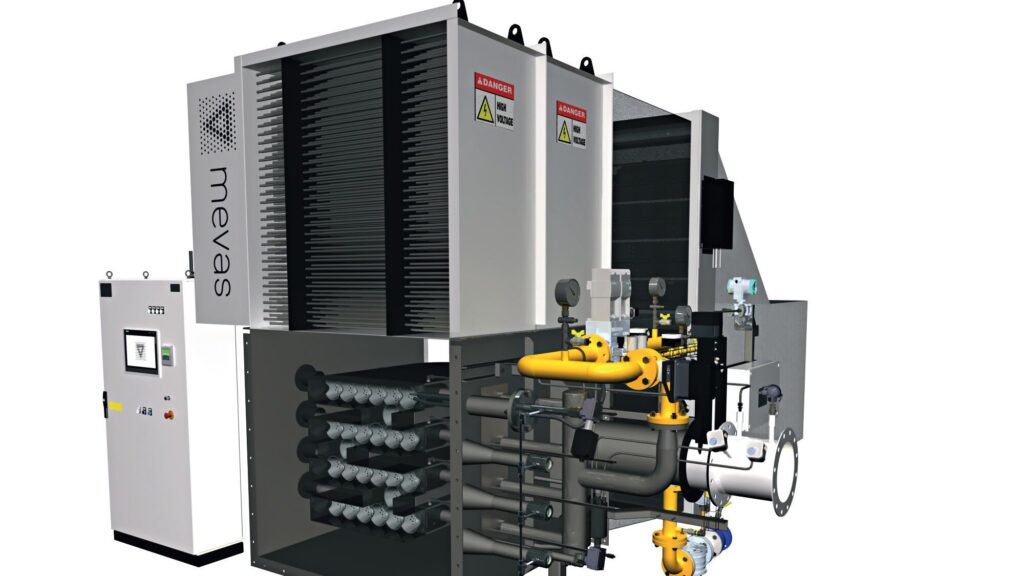
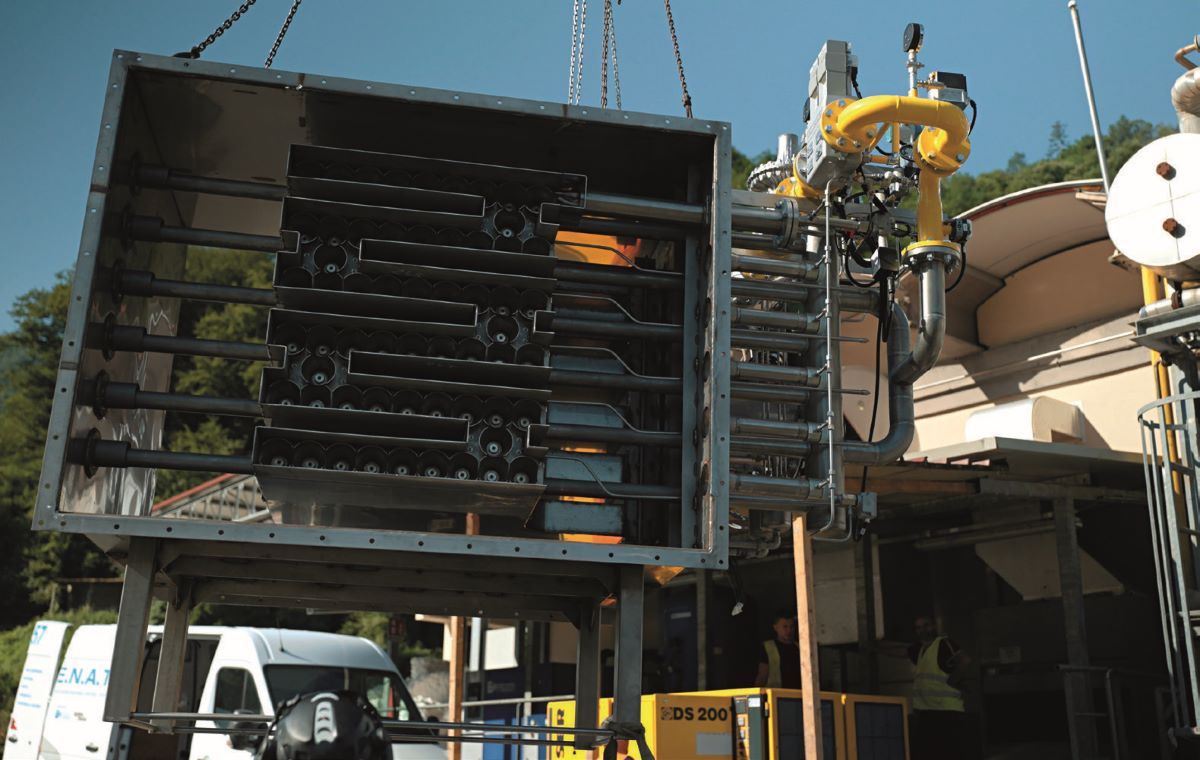
A concrete example of this evolution can be found in the tissue sector, where paper drying is one of the most energy-intensive processes. Within this scenario, the development of hybrid burners represents one of the most significant advancements: these systems can combine multi-fuel combustion with a modulated electric integration, adaptable both to the available power and to the existing space, without requiring substantial modifications to the machine’s configuration.
Case Study 1 – main parameters
- 4 MW burner power required.
- Operating conditions with high excess air and emissions exceeding limits (CO-NOx) in the existing configuration.
- A variable amount of electric power available from renewables.
- Possibility of hydrogen use in the next 5 years.
- Limited installation space: around 1700 mm length in a 1200×1200 mm duct.
The solution involved the installation of a 4 MW burner, equipped with a gas train designed for full hydrogen compatibility, alongside the parallel integration of electric resistors capable of supplying up to 1.2 MW (in this case, the limiting factor was the available space).
Compact and highly flexible, this configuration effectively met the needs related to the variability of available energy sources, improving the overall performance of the machines both in terms of production and environmental impact, without substantial modifications to the existing system.
Hybrid systems can also be applied to steam production by combining heat recovery from flue gas with the supply of electric energy. These systems maximize energy savings thanks to the synergy between steam production from recovery and the use of renewable energy sources, reducing (or in some cases eliminating) the use of traditional fuels.
Case Study 2 – main parameters
- 6 tons/h of saturated steam – Yankee consumption.
- Sufficient temperature and exhaust flow available in the process.
- Good amount of electric power from renewable sources.
- Economic advantage of electric power during specific time slots.
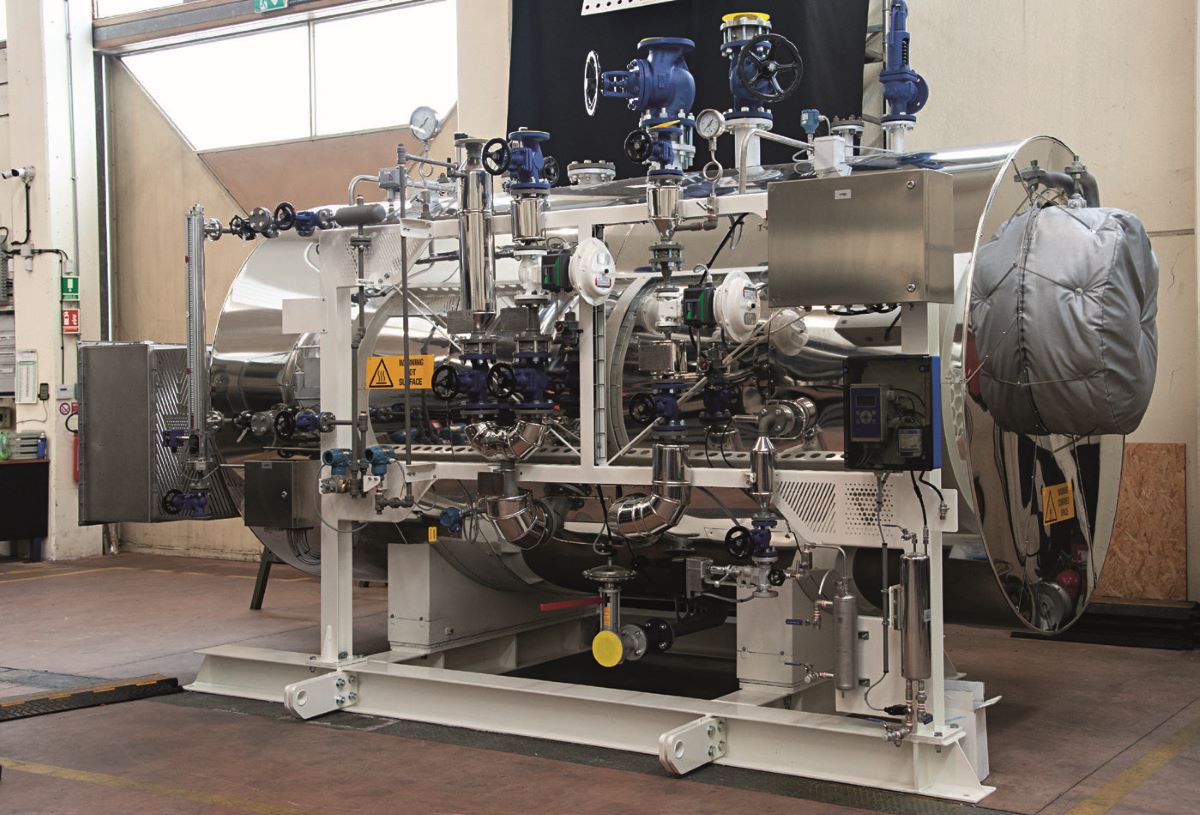
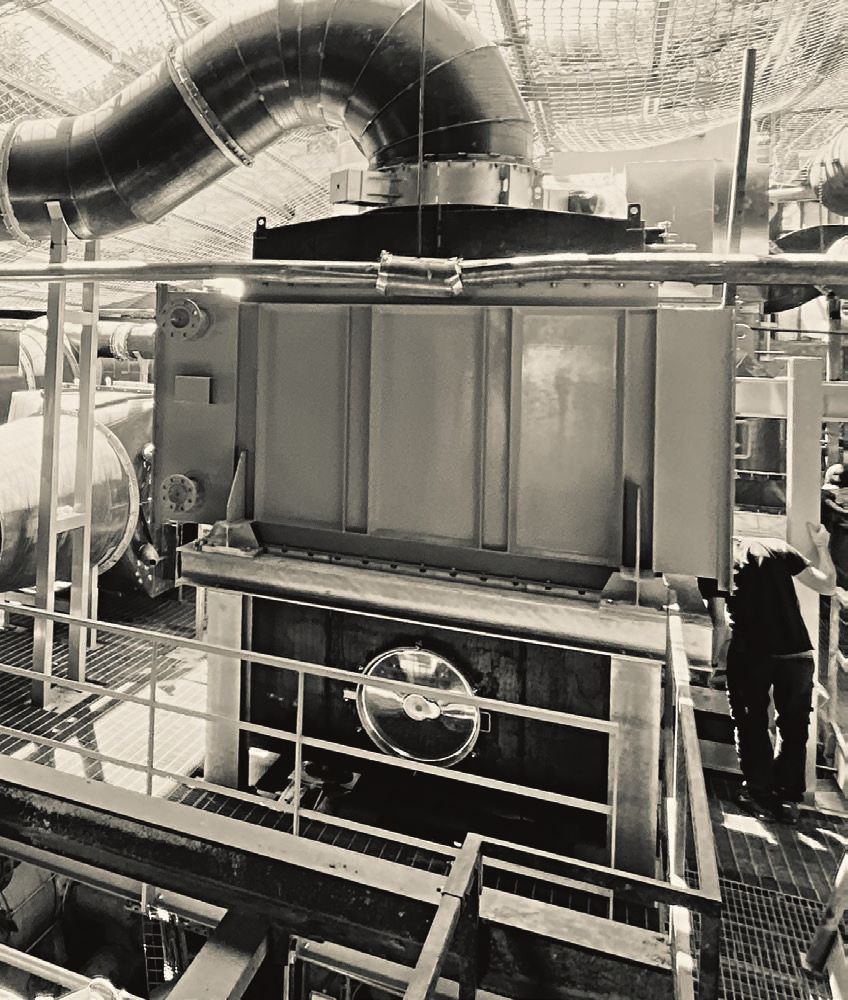
In this case, the project involved the installation of a waste heat steam generator on the fume line (–1,300 kg/h of saturated steam generated from exhaust recovery) in combination with an electric boiler (providing additional production of up to 4,700 kg/h).
This configuration immediately enabled flexible energy source management, allowing for the alternation between fossil fuels and electricity based on availability and hourly cost-efficiency.
Moreover, thanks to the system’s high flexibility and the safety PLC for management and integration, it was possible to prioritize the use of energy recovered from fumes, supplementing only the missing portion with the electric module. This led to reduced costs and a concrete achievement of environmental sustainability goals.
Conclusion
In conclusion, the rapid and complex evolution of the energy context calls for a rethinking of how systems are designed and managed.
Diversifying energy sources is no longer a choice, but an essential condition to ensure production continuity, cost control and environmental sustainability during the processes. Hybrid systems, in this regard, represent not only a concrete technological advancement but also a strategic solution to reconcile the production needs of the paper industry with rising and volatile energy costs, as well as stringent environmental regulations.
Torna indietro