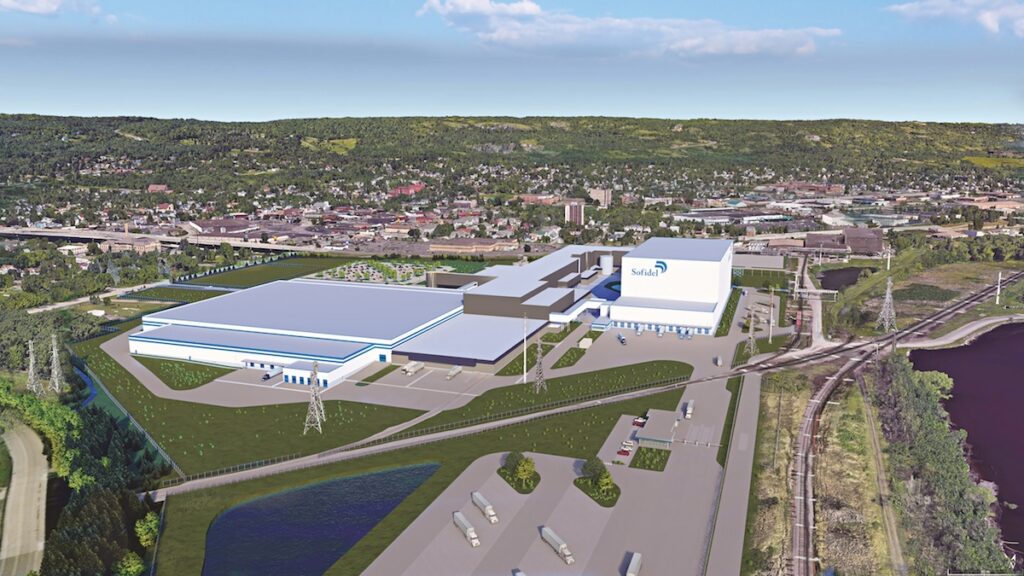
Engineering a paper mill for long-term performance means creating an efficient production environment with optimized material flows, flexible layouts and sufficient space for future automation and capacity increases.
It also requires buildings capable of withstanding internal and external environmental impacts while remaining fit for purpose over several decades.
Buildings should therefore be designed for a service life of at least 50 years, helping to avoid costly refurbishment work and prolonged production downtime.
“In essence, the buildings of a paper mill are a long-term strategic asset that ensures operational continuity, supports upgrades and safeguards the mill’s efficiency and profitability for decades,” says Peter Oksakowski, Managing Director of BHM Consultants & Engineers. The Austria-based engineering company has specialized in the planning of major paper industry projects worldwide for almost 35 years.
Why integrated design makes the difference
The development of a high-performance, future-ready paper mill requires a series of early decisions with far-reaching consequences, ranging from site selection and process layouts to intralogistics and building design. Approximately 75% of total project costs are determined during this initial phase.
“That is why an integrated design approach is so important,” explains Oksakowski. “It not only has the potential to reduce project costs by up to 20% but can also lower operating costs by up to 25% and lifecycle costs by as much as 40%.”
Integrated design is not a software solution, but a collaborative planning methodology. Digital tools such as Building Information Modeling (BIM) support the process, but they represent only one element of the overall approach. “The real value lies in bringing all relevant disciplines together from the earliest project stage and viewing the paper mill as one integrated production ecosystem, rather than as a collection of independent processes, intralogistics systems and building solutions,” says Oksakowski.
The mill owner, process specialists, multidisciplinary engineers, equipment suppliers and, where appropriate, construction partners work together under the coordination of a lead engineering company such as BHM CONSULTANTS & ENGINEERS. Instead of developing individual solutions independently, every decision is assessed in relation to the entire production system.
A shared digital model allows layouts, interfaces and technical solutions to be continuously refined throughout the engineering process. Conflicts can be identified at an early stage, material flows optimized, maintenance requirements incorporated and opportunities for automation considered before construction begins. As a result, decisions are based on technical evaluation rather than assumptions, reducing project risks and avoiding costly changes at later stages.
What is integrated design?
Integrated design begins with the definition of clear project objectives. Production capacity, process technology, automation strategy, intralogistics, staffing requirements and future expansion plans must all be established before detailed engineering begins. These objectives provide the framework for coherent decisions across every engineering discipline.
Site selection is equally important. Comprehensive technical due diligence and a structured site development plan allow different locations to be assessed objectively, considering both current requirements and future growth. Although this approach requires greater effort at the beginning of the project, it helps prevent unexpected restrictions, delays and additional investment at a later stage.
Integrated Basic Design ensures that production, maintenance, intralogistics, automation and utility requirements are fully considered before detailed engineering starts. This is the phase in which bottlenecks are identified, workflows optimized and opportunities for automation and energy efficiency evaluated.
Material flows are designed to minimize transport distances, eliminate crossing traffic and provide sufficient space for both current and future automation, while ensuring the safe separation of pedestrian and vehicle routes. Solutions such as vertical integration, multi-level transport and automated storage systems must be incorporated at this stage, as they become difficult and costly to implement once the plant has already been built.
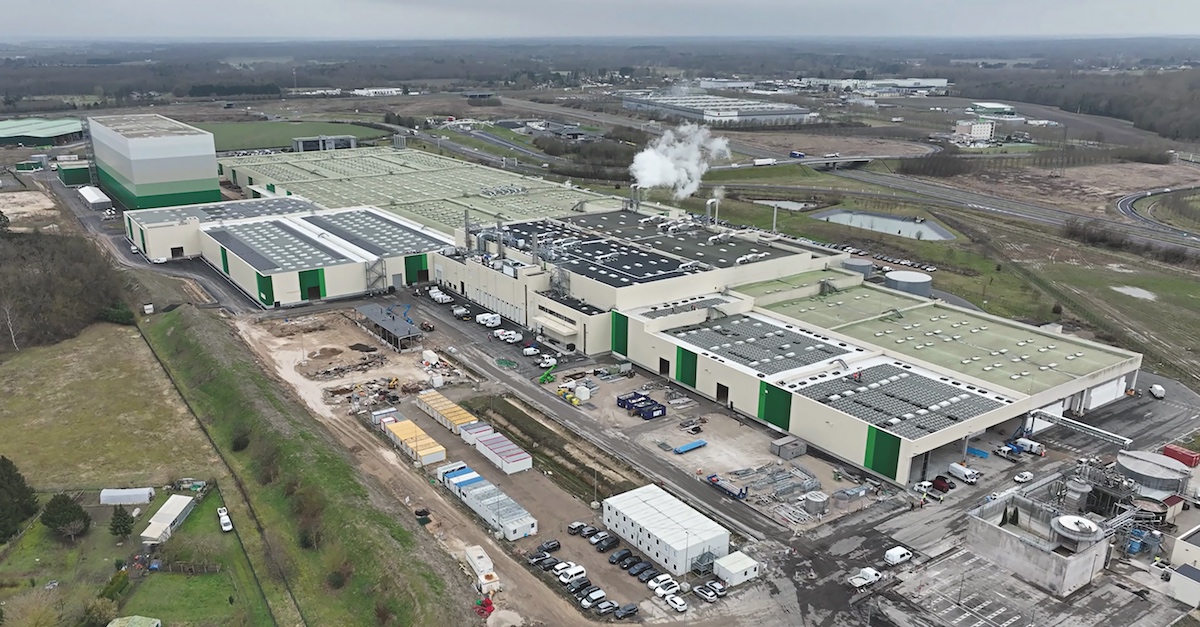
Buildings and site infrastructure are also planned to support long-term flexibility. Modular structures, standardized floor loading, adequate maintenance access and reserved space for future expansion all contribute to efficient operation throughout the lifecycle of the mill. Fire protection, noise control and dust mitigation are addressed at an early stage as well, since these factors can have a significant influence on the overall layout and functionality of the facility.
Once these fundamental decisions have been made, the project moves into the Integrated Detail Design phase. At this stage, the coordinated concepts are translated into fully integrated construction documents. Because the overall concept has already been optimized, the individual engineering disciplines can develop detailed solutions more efficiently.
Interfaces are coordinated within one consistent model, reducing clashes during construction and supporting a smoother commissioning and start-up phase.
Benefits of integrated design
The advantages of this approach are measurable. When correctly implemented, integrated design can deliver:
- CAPEX reductions of up to 20%, through the selection of a suitable site, optimized layouts and decisions based on sound technical foundations rather than assumptions or incomplete information.
- OPEX savings of up to 25%, thanks to intelligent automation and the optimization of processes and buildings.
- Energy consumption reductions of 25% or more, through efficient utility solutions, heat recovery and the integration of renewable energy.
- Maintenance cost reductions of between 15% and 25%, by ensuring appropriate access, suitable building quality for internal and external environmental conditions and the implementation of predictive maintenance strategies.
- Future expansion cost reductions of 20% or more, through modular layouts and reserved space in the correct areas of the site, allowing the mill to grow without costly reconstruction.
- Lifecycle cost reductions of up to 40%, by considering future operational and development requirements from the earliest engineering stage.
“These figures highlight why it is so important that all project participants – owners, engineering teams, suppliers and operators – understand and commit to the integrated design philosophy from the very beginning,” says Oksakowski.
A strategic decision
The long-term performance of a paper mill is largely determined during the initial engineering phase. An integrated design approach requires greater effort, earlier decisions and close collaboration between all stakeholders at the beginning of the project. In return, it significantly reduces risk and lifecycle costs, improves operational efficiency and creates the flexibility required for future expansion and technological development.
Investing in integrated design is therefore not merely a technical exercise, but a strategic decision that helps ensure paper mills remain competitive, resilient and sustainable for decades to come.
Torna indietro