
Three key areas for optimization
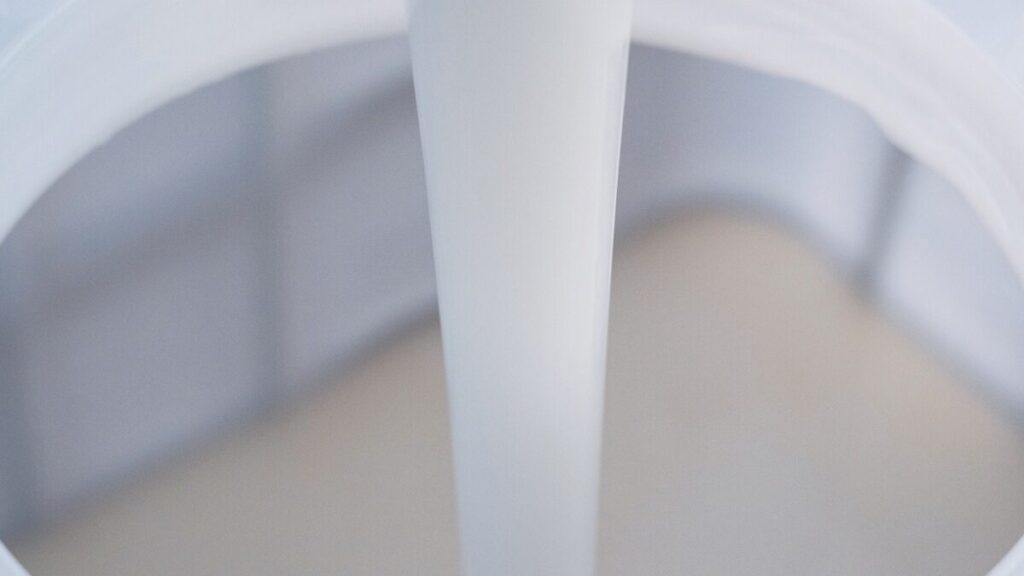
Some adhesive technologies go beyond standard performance: formulations that increase process efficiency and improve the performance of the final product. Based on experience with converters in more than 25 countries across four continents, three areas have shown the most significant improvements.
The first is dilution. The average ratio for lamination and tail sealing is 1:3, but many production processes could operate at 1:5, 1:6 or even 1:8 without compromising adhesion. Working at dilution levels lower than necessary means transporting, storing, and consuming more product than the line needs. The impact is not only economic: optimizing dilution also reduces the carbon footprint associated with the process.
The second area relates to machine cleanliness. An adhesive that sticks to embossing rollers or other metal parts causes unscheduled stoppages. A formulation designed specifically for tissue must offer what is known in the industry as ‘clean running’: precise adhesion to the substrate without leaving residue on the machine.
The third area concerns tube winding. Paniker produces a wide range of boric-acid-free adhesives for tube manufacturing, capable of supporting the highest machine speeds on 1-, 2- or 3-ply tubes without compromising either bond strength or workplace safety.
Technical questions before choosing
Adhesives are advanced materials that allow one or more substrates to be bonded together under different conditions without altering their properties. However, there is no such thing as a universal adhesive. There are technical criteria that should be considered before making a decision.
What is the actual dilution ratio the line can handle, and how does it affect the supply chain? Does the laminating adhesive run cleanly at the required machine speeds? In tube winding, is the current formulation boric-acid-free? And when it comes to sustainability: are the adhesives redispersible and compatible with industrial paper recycling? Do they meet the requirements for EU Ecolabel certification of the finished product?
There is not always an immediate answer to these questions. That is why it is important to work with a technical partner capable of innovation, one that understands the process and can help identify the right answers.
SUSTAINABILITY AND EXPERIENCE
PANIKER, founded in Barcelona in 1922 as Ingeniería en Adhesivos, has been manufacturing specialized adhesives for the tissue industry for more than two decades in a dedicated production plant with a capacity of 15,000 tons per year exclusively for this market. The TISSUECOL range of adhesives is redispersible in water and complies with FDA and BfR regulations. The company, certified to ISO 9001:2015 and ISO 14001:2015, has been aligned with the European Green Deal since 2019, and its formulations facilitate the achievement of EU Ecolabel certification for finished tissue products.