
This article presents a system-wide talc-free concept developed by BIM KEMI, with a focus on early extractive control, process stability and targeted specialty chemistry. When correctly implemented, talc-free production can improve runnability, cleanliness and sustainability across pulp, paper and tissue manufacturing.
Why talc-free is becoming an industry requirement
Controlling wood extractives, pitch and stickies is a major challenge in pulp, paper and tissue production. Hydrophobic extractives and adhesive contaminants can accumulate in white-water systems, forming tacky deposits that reduce runnability, shorten felt and clothing lifetime, impair product quality and increase downtime, web breaks, sheet defects and maintenance needs.
For decades, talc has been widely used because of its simplicity and cost-effectiveness. Like other mineral-based treatments, it mainly works through physical adsorption and immobilization, while many polymeric programmes rely on fossil-derived dispersants and detackifiers.
However, these approaches often address only part of the underlying mechanisms and are increasingly difficult to reconcile with current sustainability expectations. More closed water circuits, greater water reuse and increasingly variable raw materials make extractive behaviour more complex and increase the risk of deposits and poor system cleanliness.
Regulatory developments are also accelerating interest in talc-free solutions. In July 2025, the Risk Assessment Committee of the European Chemicals Agency proposed classifying talc as a potential carcinogen and as a substance capable of causing long-term adverse effects on the lungs.
A tailored solution for each mill
Pitch is not a single substance, but a complex mixture of chemical compounds and lipophilic extractives whose composition and behaviour vary according to the mill, the raw materials and the process conditions. For this reason, there is no “typical pitch” and no universal treatment strategy.
Effective deposit control requires a flexible, tailor-made approach based on a detailed understanding of pitch composition and of how its different components behave under each mill’s specific operating conditions.
BIM Kemi’s talc-free solutions are based on organic, water-soluble and surface-active substances developed in the company’s own laboratory. Each treatment is defined through a detailed assessment of the process and extractives, followed by selection of the most suitable chemical programme. Close cooperation with the mill supports proactive pitch control and allows the treatment to be adapted to the specific characteristics of the process.
Controlling extractives throughout the entire process
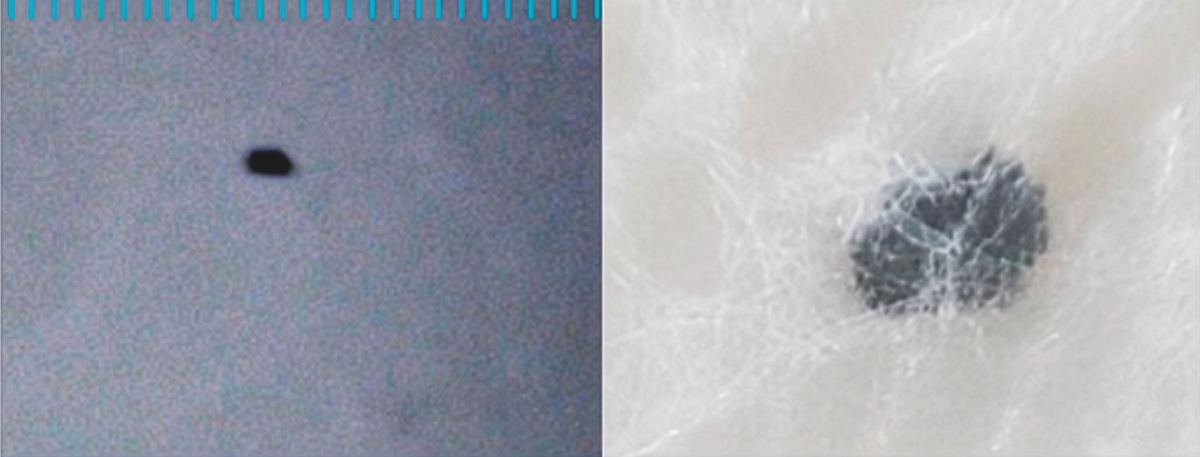
Effective deposit control requires extractives to be managed along the entire process chain. If they are not adequately controlled during pulp production, the associated problems are transferred to the paper or tissue machine, where they can generate defects such as specks, holes, weak spots, linting and runnability issues.
BIM Kemi’s talc-free concepts are therefore designed to control extractives from the earliest stages of the process, preventing deposit formation and supporting stable production and consistent product quality through to the finished product.
Early control in the pulp process
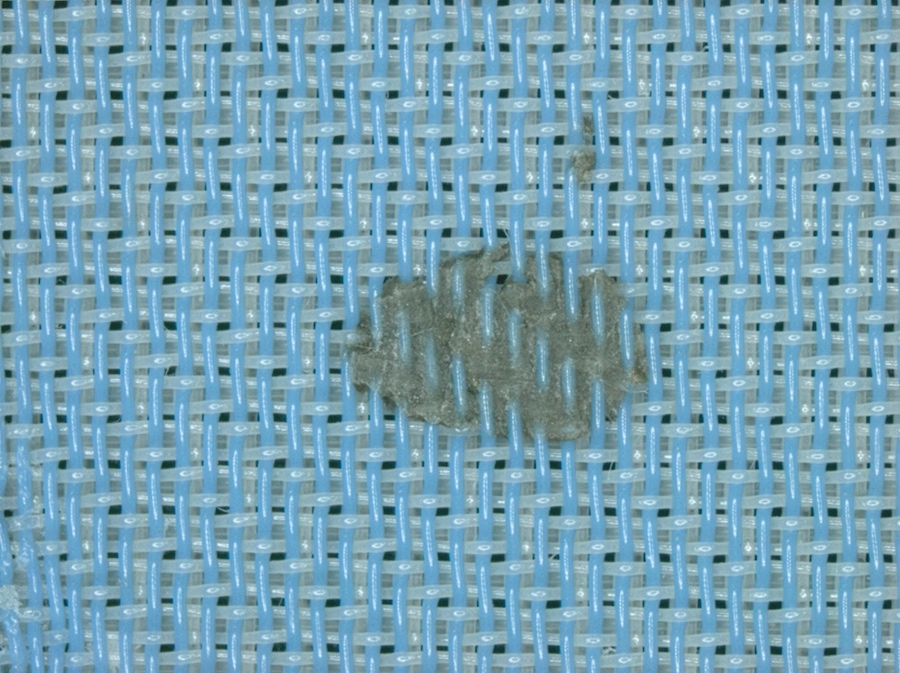
impact it has on the fabrics, which leads to
breaks and sheet defects such as holes.
Successful talc-free operation begins during pulping and fibre-line treatment, where the extractive load can be reduced before reaching paper or tissue production. As pulp processes become increasingly closed, conventional indicators provide limited insight into extractive behaviour, making reliable measurement essential.
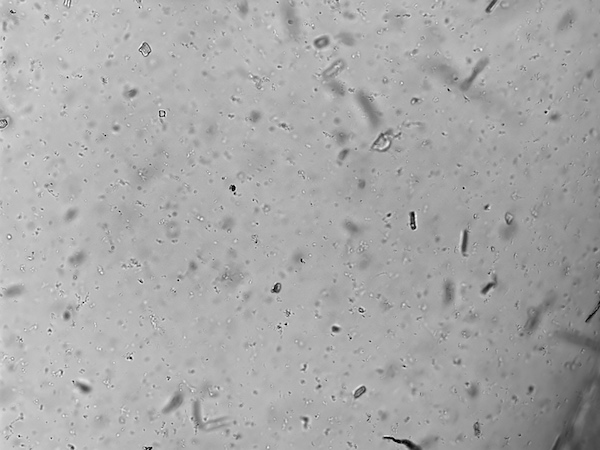
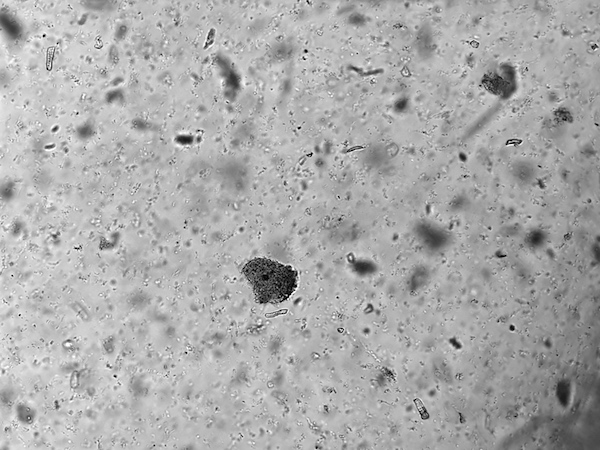
BIM Kemi has therefore developed BIMPics, a proprietary camera-based system that monitors particle quantity and size distribution in pulp and water circuits, providing information on deposit-related indicators and the effectiveness of the chemical programme.
Since extractives cannot be removed completely, BIM Kemi’s talc-free concept combines early reduction of the extractive load with stabilization of the remaining fraction, preventing deposits from forming later in the process.
From pulp to paper and board
If extractives are not properly controlled in the pulp mill, the problem inevitably carries over to paper and board machines. Even small, unstable particles can agglomerate under the high shear forces and changing chemical conditions of the wet end, causing wire contamination, deposits, sheet breaks and product defects.
Replacing talc with BIM Kemi’s talc-free concept can also deliver benefits on the paper and board machine. Lower extractive levels improve runnability, reduce breaks and may decrease the demand for cationic chemistry by limiting anionic trash. However, removing talc without introducing an alternative chemical solution can quickly disrupt the process.
Process control should therefore be extended systematically to the machine area using the same analytical tools applied upstream. BIMPics analyses, in particular, provide detailed insight into the system’s chemical balance and potential deposit risk.
Tissue production and converting
Tissue production is particularly sensitive to deposit-related problems because of low basis weights, high machine speeds and minimal tolerance for defects. In tissue systems, uncontrolled extractives and stickies can affect both the paper machine and converting operations, increasing wire and felt contamination, holes, sheet and web breaks, clothing-cleaning downtime, dusting, visual defects and customer complaints.
These issues reduce production efficiency and the perceived quality of the finished product. Early control of extractives and stable process conditions help limit downstream converting problems, protecting machine performance and customer satisfaction.
BIMPics analytical tools enable rapid mapping of pulp and water streams throughout the mill, providing the data needed to select robust chemical programmes. This helps prevent secondary agglomeration and machine-clothing contamination, supporting runnability and final product quality.
Conclusion
Moving towards talc-free production is not simply a matter of removing a mineral additive. It requires a different way of understanding and managing extractives throughout the entire production process. When correctly implemented, a talc-free strategy can provide significant benefits, including cleaner process systems, improved runnability, better product quality and a more sustainable production environment.
At BIM Kemi, talc-free deposit control is not based on a single product, but on a complete process concept combining in-depth chemical expertise, advanced analytical tools and close cooperation with mills to achieve stable and sustainable performance.
Authors: Hannu Hämäläinen, Pulp Segment Team Leader; Juha-Pekka Järveläinen, Paper & Board Segment Team Leader; Claire Ripley, Tissue Segment Team Leader; and Peter Wållberg, Entrepreneur and Owner, BIM Kemi.
Back