On the tissue converting floor, problems rarely appear where they originate. When a roll telescopes or delaminates at the core, the consequences often emerge later as waste, downgrades, customer complaints, or production slowdowns.
Core winding is one of the most sensitive points in the line. If adhesion is insufficient, issues may remain unnoticed at the winder and only become evident downstream through rework or speed losses. Yet many mills still treat core adhesive as a secondary issue, despite the growing risks associated with higher speeds, changing substrates and tighter margins.
Pressure from plant, regulation and market
Tissue producers are facing increasing pressure. Paper quality is becoming less predictable, with higher recycled content and lighter, more variable grades. Frequent changeovers and high line speeds leave limited time for adhesives to wet and set, so even small variations in porosity, surface energy or stiffness can determine whether a roll remains stable or fails during downstream handling.
Regulations add another layer of complexity. Adhesives containing boric acid require additional labelling, storage, and worker protection, increasing costs and effort across purchasing, warehousing and safety functions. At the same time, adhesives are evaluated not only for performance, but also for hygiene standards, food-contact compliance, and overall sustainability.
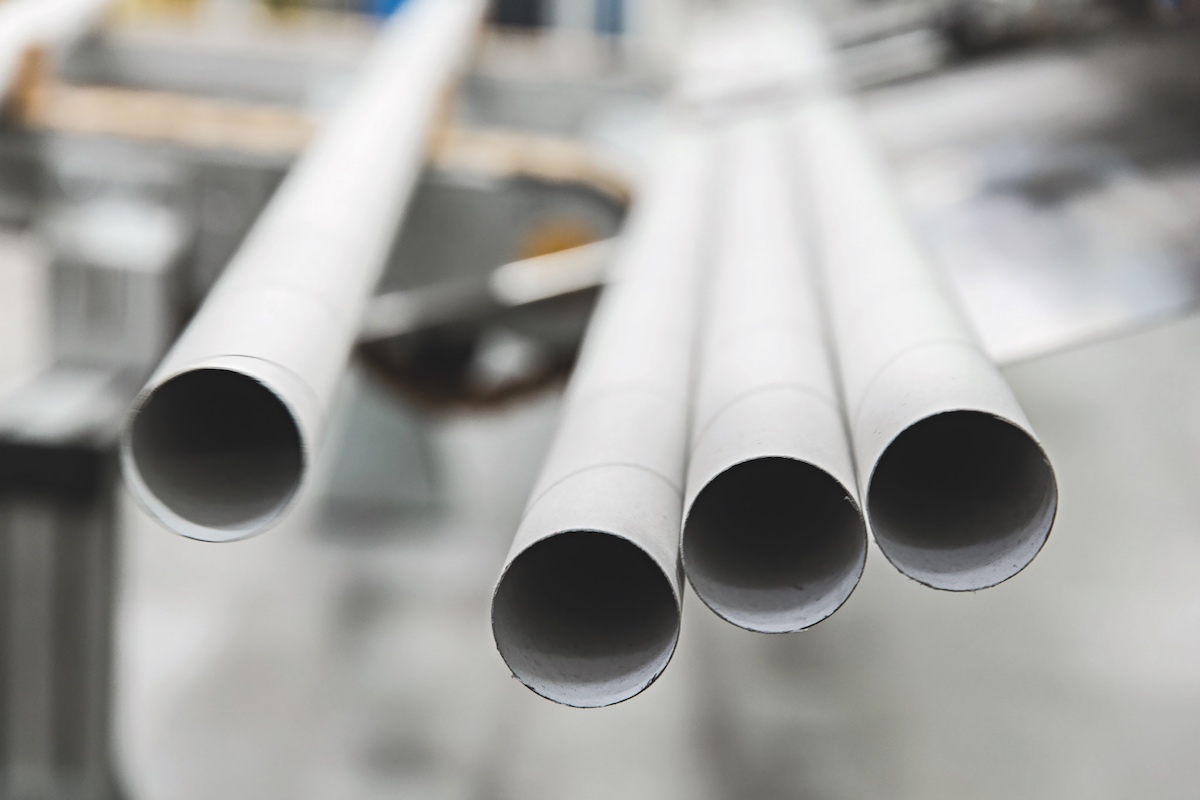
Adhesive selection at the core can therefore either create a bottleneck or help stabilise the line. AQUENCE CORE E8490 is designed for the latter. Co-developed with tissue producers and OEMs, it is tailored to modern converting conditions, including variable board grades and multi-ply cores.
It provides durable bonds and consistent performance even when substrates change. Free from boric acid and plasticisers, it reduces regulatory complexity while supporting hygiene and food-contact requirements. It can also be integrated into existing systems without major adjustments or lengthy trial phases.
HENKEL works closely with tissue producers and equipment manufacturers to analyses failure patterns, relate them to adhesive behavior and line conditions, and define robust operating windows.
This approach turns core adhesion from a silent risk into a lever for line stability, safety, and product reliability, ensuring consistent bonding that supports smooth production and the quality expectations of retailers and consumers.
Back