
These issues are addressed by ABB through web tension measurement, fibre refining optimization and Quality Control Systems evolving toward AI-driven autonomous operations.
Web tension measurement
In harsh mill environments, load cells can drift or become unstable, undermining confidence in web tension data. This is critical for machines producing kilometers of five-metre-wide tissue per minute, where even minor web breaks cost time, material, and quality.
Traditional load cells rely on physical movement and are vulnerable to vibration, temperature changes, overload shocks, and electromagnetic interference.
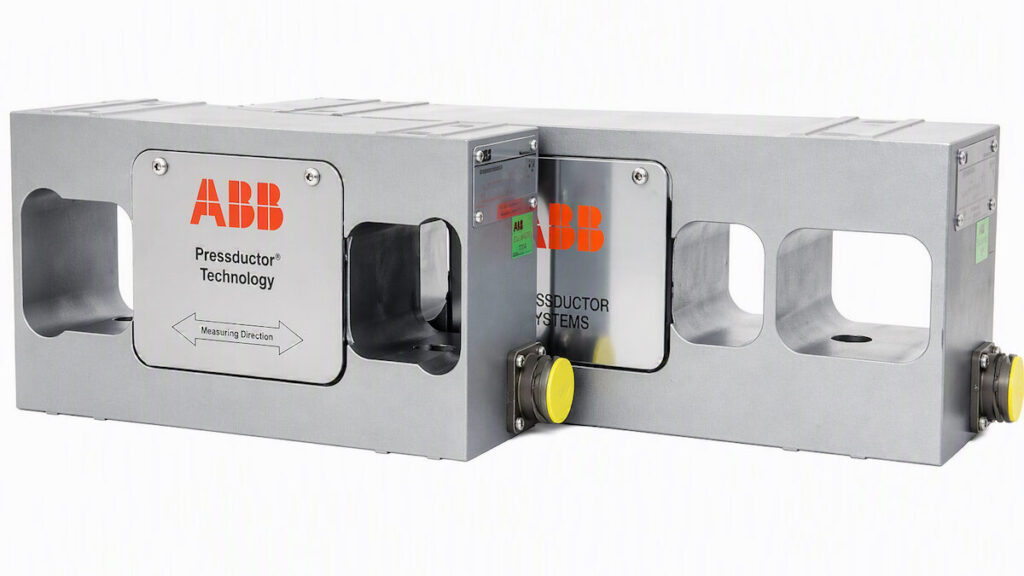
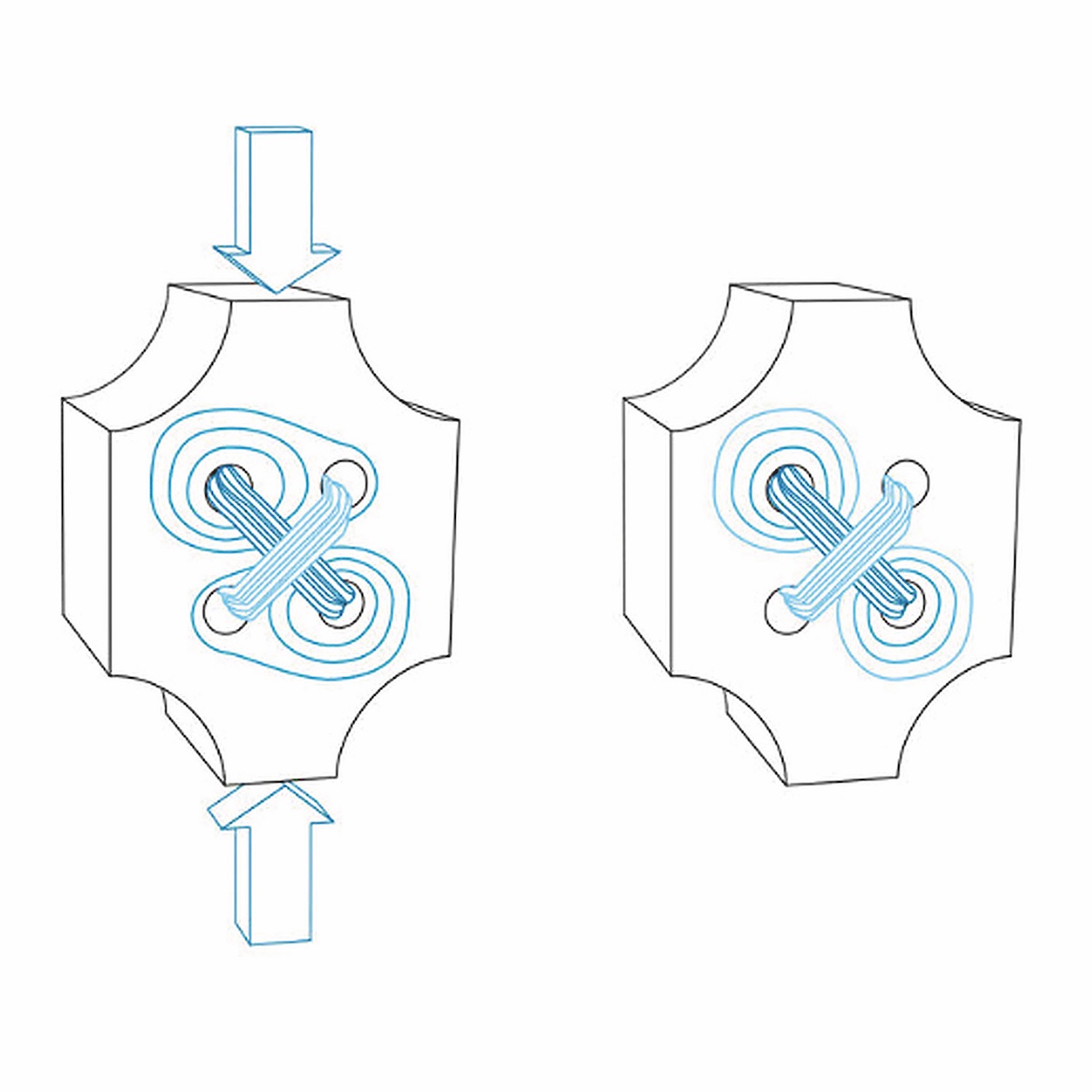
Pressductor® technology uses the magnetoelastic effect, detecting changes in steel’s magnetic properties under stress. Two perpendicular copper windings in a steel membrane generate proportional AC voltage without moving parts or displacement dependency. The load cells withstand 300% to 1,000% overloads without calibration drift or damage; deflection is only 0.02–0.05 mm, 10 to 100 times less than in movement-based devices.
They resist overloads, electromagnetic interference, vibration, temperature variations and premature overload-stop engagement. Seven capacity ranges from 0.5 to 20 kN are available in standard, Millduty and acid-resistant versions. Correct installation is essential, as misalignment, bearing selection and thermal expansion can cause errors.
Fiber refining
For mills using recycled fibres, raw material variability affects process stability and final quality. Sufficient fibrillation and fines are needed for proper bonding. Excessive refining raises energy use in refiners, drives and vacuum pumps and can reduce speed; insufficient refining weakens the sheet and can cause web breaks in the paper machine or converting plant. Mills may then need costly additives or virgin kraft reinforcing pulp, while culled paper and customer claims further erode margins.
Historically, refining relied on specific energy consumption, manual sampling, and general guidelines. Image-analysis fibre morphology measurements and online freeness analyzers now provide real-time data, allowing each fibre batch to be refined only as much as needed. Benefits include lower energy use, fewer web breaks, less culled paper, and fewer customer claims.
Quality control and autonomous operations
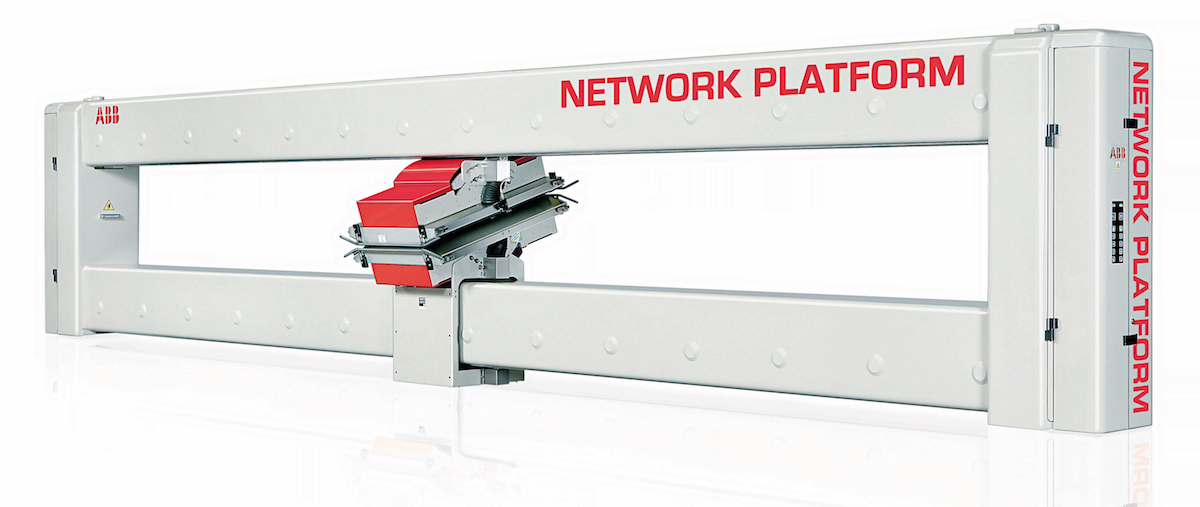
In June 1951, the forerunner of ABB paper automation developed the first nucleonic gauge for an operating paper machine to measure basis weight of the moving sheet, beginning 75 years of innovation in online measurement and Quality Control Systems.
Today, ABB’s Quality Management System combines QCS technology with digital solutions to optimize production, reduce energy use and waste, and keep final product within specification. Sustainability, energy efficiency, cost control, and workforce optimization are driving a shift toward autonomous operations.
Combining automation with AI allows mills to learn from process data, interpret variability in real time and make decisions beyond fixed rules. This requires robust automation infrastructure, data integrity, enhanced cybersecurity and progressive AI adoption. Mills turning operational problems into data-driven advantages will be better positioned to compete.
Back