Paper mills processing OCC and recycled-fibre streams generate significant quantities of plastic rejects during normal stock preparation. Traditionally, these materials have been disposed of through landfill or energy recovery, creating both environmental and economic challenges for mills.
As the paper industry continues to improve resource efficiency and support circular manufacturing, attention is increasingly shifting towards recovering value from these reject streams rather than simply managing their disposal.
While considerable progress has been achieved in fibre recovery, plastic rejects remain among the least utilised by-products generated during recycled-fibre processing. Advances in sorting, washing and sintering now make it possible to convert these materials into reusable plastic pellets suitable for downstream applications, reducing disposal volumes while creating an additional revenue opportunity. This approach not only supports circular-economy objectives, but also helps mills improve their overall use of resources.
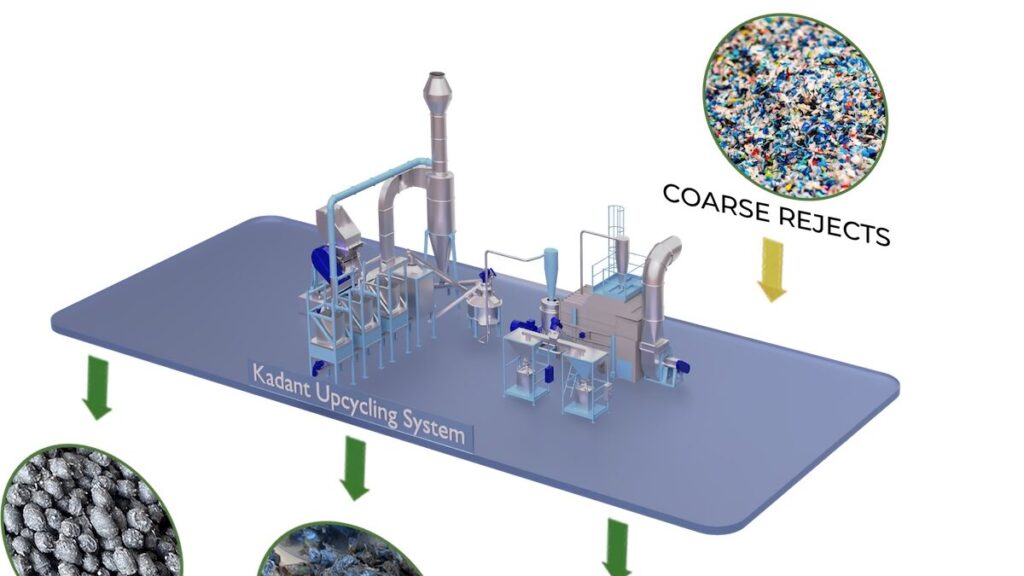
One example is the commissioning of a Kadant Upcycling System™ at one of Europe’s largest OCC paper mills, as part of a new 1,100 TPD coreboard production line.
The system processes plastic rejects discharged from the pulper and converts them into clean, reusable plastic pellets through an integrated washing and sintering process. The installation incorporates a 13.5 DR Pulper, currently the largest size available on the market, designed to process high volumes of heavily contaminated OCC reject material while delivering a consistent output of high-quality plastic pellets. Successful implementation extends beyond the equipment itself.
Engineering design, process integration, reject handling, commissioning and compliance with European regulations all contribute to the development of a reliable recycling process capable of producing marketable plastic pellets.
Projects of this kind demonstrate how process engineering can transform waste streams into valuable by-products while improving both operational and environmental performance. As the use of recycled fibre continues to grow across the paper industry, technologies capable of recovering additional value from reject streams are expected to play an increasingly important role in supporting sustainable mill operations.
By combining engineering expertise with innovative recycling technologies, KADANT UPCYCLING continues to help paper producers improve resource efficiency and advance circular manufacturing practices.
Back